
Eileen Taggart Flagstaff Real Estate Agent Advice on the Hard Truth About Success
Why So Many Real Estate Agents Struggle
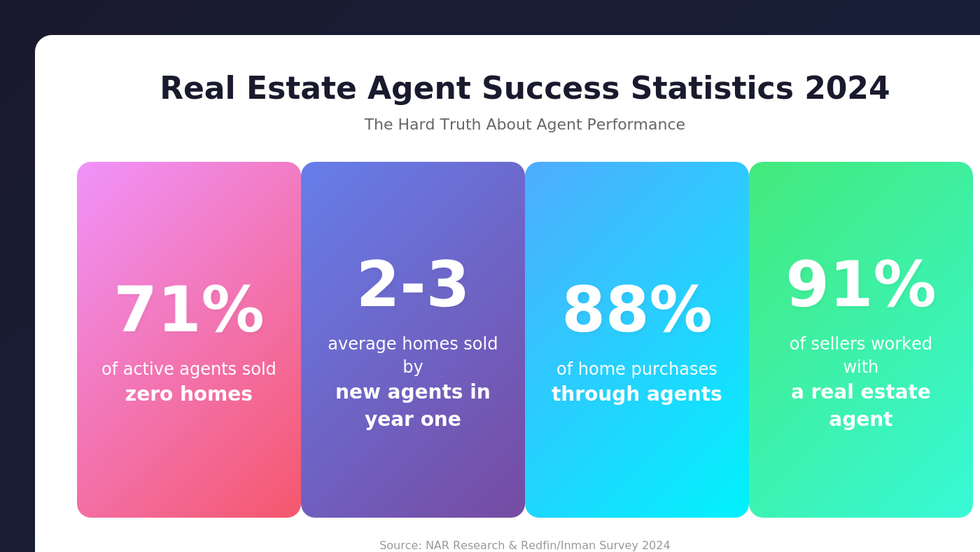
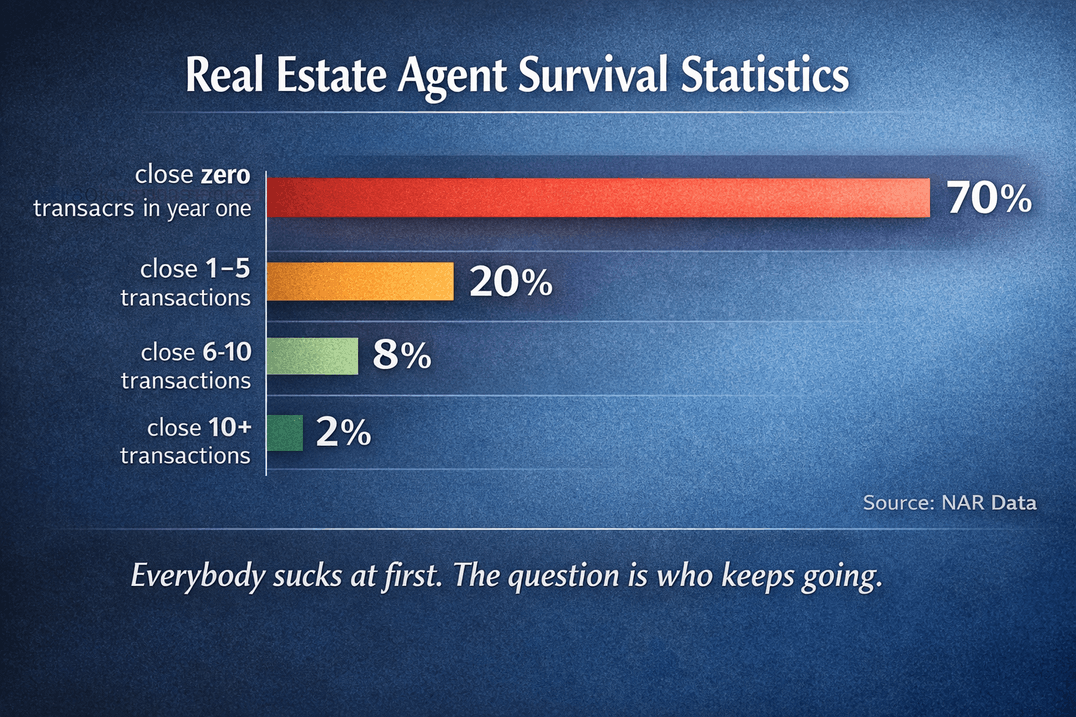
Most new real estate agents fail because they treat the profession as a hobby rather than a business. According to a Redfin survey reported by Inman, 71% of active real estate agents did not close a single home sale in 2024. That staggering statistic tells us something critical: passion for helping people and loving homes is not enough to survive, let alone thrive, in this industry.
On a recent episode of the Why Do I Suck As A Real Estate Agent podcast, I sat down with Eileen Taggart, a multi-year top-five selling agent from Flagstaff, Arizona. Eileen has spent over 18 years in the business and has built an incredible reputation through The Taggart Team at RE/MAX Fine Properties.
Our conversation was raw, honest, and at times, a Festivus-style airing of grievances about the realities new agents face. Here is what we uncovered:
The unrealistic expectations that sink careers before they start
Why being friendly and being professional are not the same thing
How real confidence comes from preparation, not personality
The daily habits that determine long-term survival
Watch the full episode here: The Hard Truth About Success in This Business - EP 15
How Eileen Taggart Got Started in Real Estate
Eileen's origin story sounds nothing like what you'd expect from a top producer. She wasn't plotting her real estate career since childhood. She wasn't studying for the licensing exam years in advance.
She was building custom homes after leaving a freelance camera assistant gig in New York City. A real estate agent recruited her. That's it.
“I had been a freelance camera assistant in New York City and I was building custom homes when a real estate agent recruited me. Honestly, real estate wasn’t even on my list. But when the market changed and I needed to pivot, I decided to build a website and put myself out there. I didn’t have a business plan or any roadmap. I just started figuring it out as I went, and somehow I became a top agent my first year.”
That honesty matters. Most successful agents didn't walk in with a perfect five-year plan. They walked in with willingness. They figured it out as they went. Eileen built a website before most agents knew what a website could do. She googled her way into relevance. She experimented.
Visit Eileen's website to explore how her early experimentation developed into a successful practice serving buyers and sellers of primary, second-home, and luxury properties in Flagstaff and nearby mountain areas.
You can connect with Eileen via her website to learn how her early experimentation led to a successful practice. She serves buyers and sellers of primary, second-home, and luxury properties in Flagstaff and nearby mountain areas. You may also follow her on Instagram or check out her Facebook page to see how she's built a practice that's lasted nearly two decades in a business where most flame out in two years.
Passion Alone Won't Make You Successful in Real Estate
Here's where we need to get honest with ourselves. Walk into any new agent training and listen to the introductions. They all sound the same.
“The first thing new agents say is, ‘I love helping people, and I love homes.’ And I always say that’s great — helping people is wonderful. But helping people is a volunteer position. This is a business. You are your own boss and your own business owner. Loving homes is not the same thing as building a real estate business.”
Eileen doesn't say this to be harsh. She says it because she's watched too many agents crash against this misconception. They confuse interest with execution. They mistake passion for preparation.
A Bureau of Labor Statistics study shows that real estate consistently ranks among occupations with the highest self-employment rates.
That distinction matters. Real estate is not a job where you clock in and collect a paycheck. You are your own boss. You are your own business person. You are your own leader. The National Association of Realtors reports that 88% of home purchases are made through real estate agents, but that business goes to agents who treat their work professionally.
Why Real Estate Is Much More Than Showing Homes
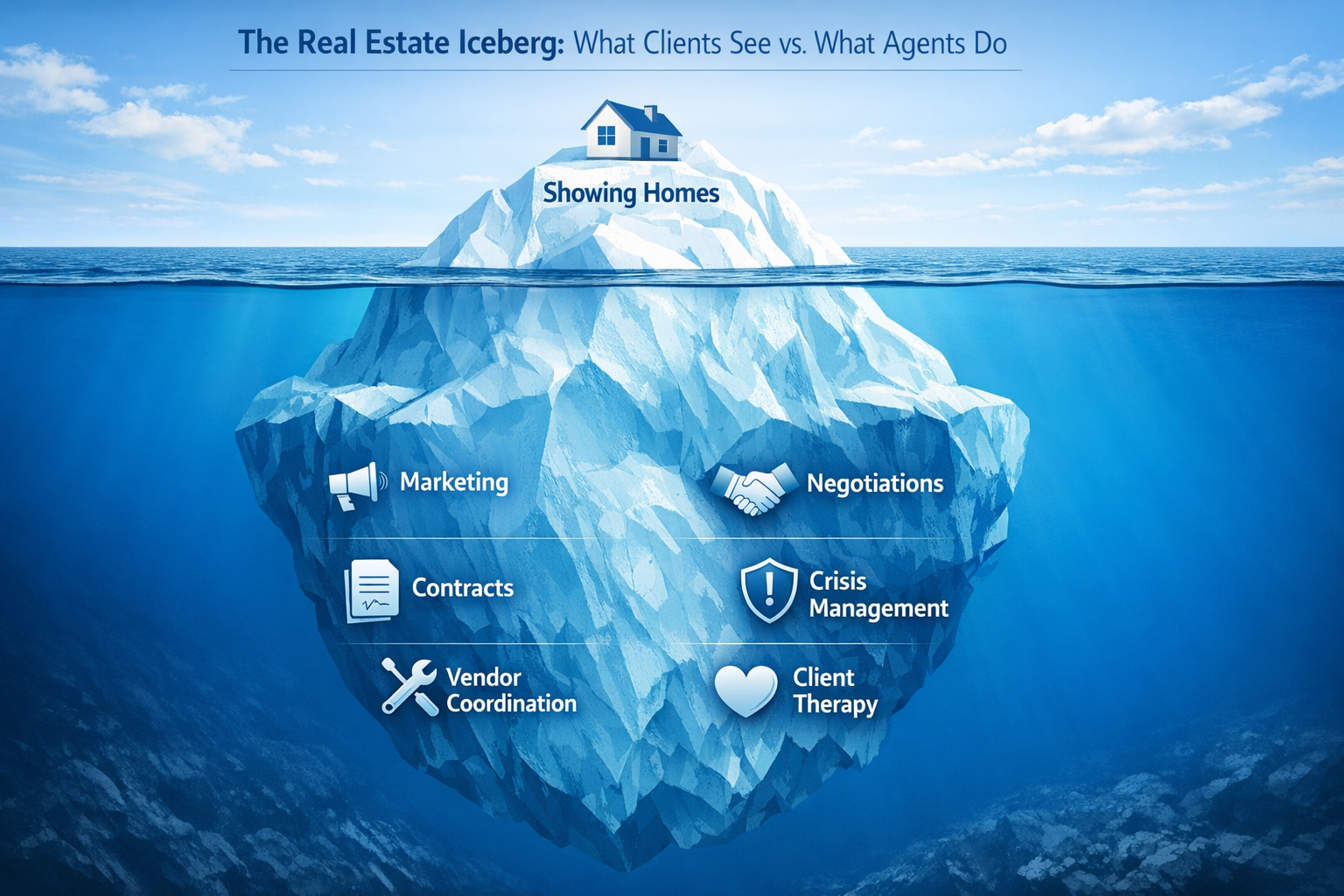
The showing is what clients see. It's the visible tip of a very large iceberg. Everything else happens beneath the surface.
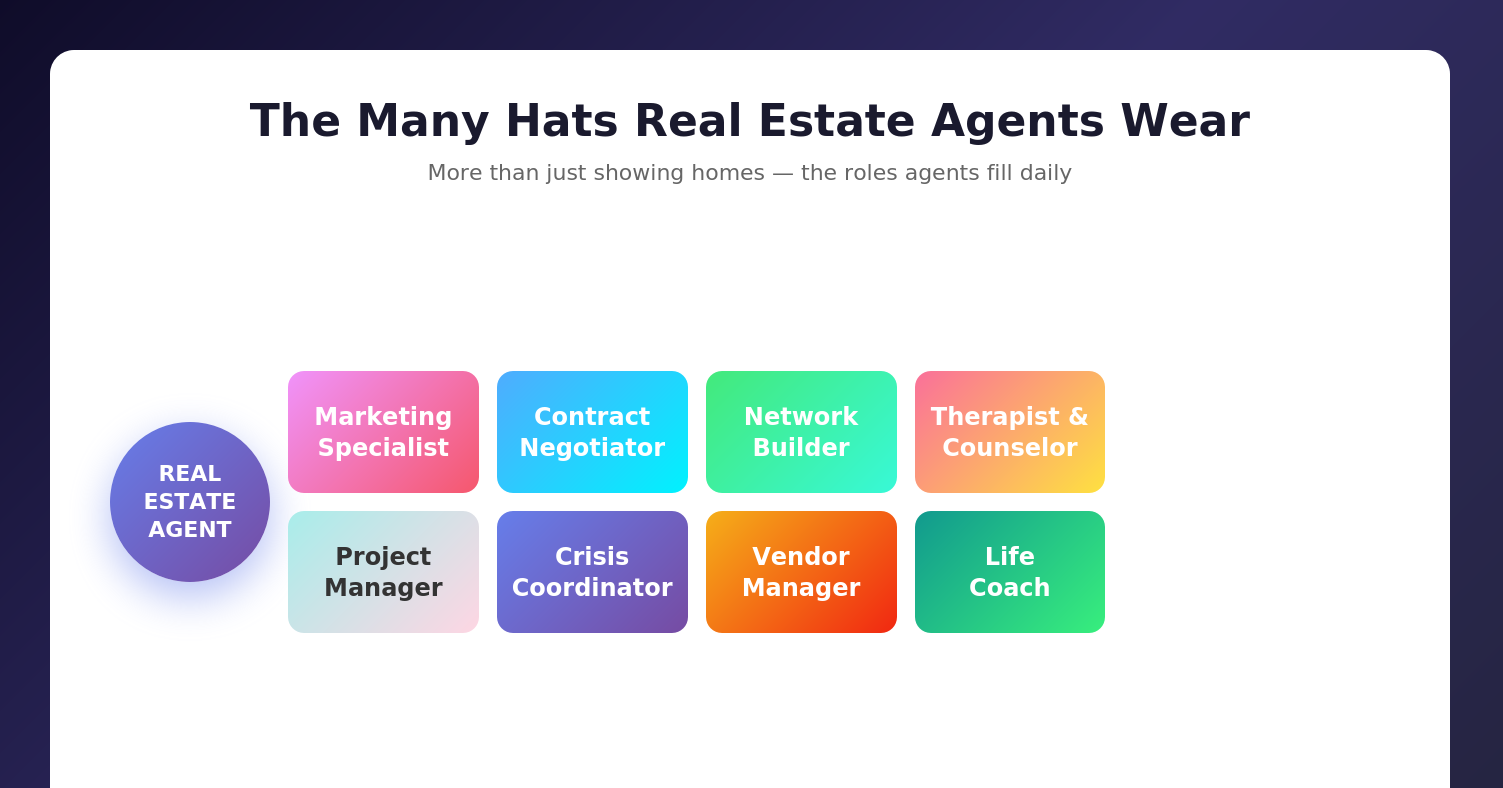
“People think showing homes is what we do, but that’s a tiny fraction of the job. We’re marketers, negotiators, customer service representatives, crisis managers, and sometimes even therapists. We’re coordinating plumbers, contractors, lenders, and inspectors while managing the emotional stress of the transaction.”
Eileen breaks it down this way because new agents need to understand what they're signing up for. You're not a tour guide. You're a project manager for one of the most expensive and emotionally charged decisions a person will ever make.
This is precisely why real estate agents often fail: they underestimate the role's complexity. They show up expecting to unlock doors and collect checks. They discover they're expected to solve problems they never anticipated.
The Real Estate Reality Iceberg
You're Not There to Be the Client's Friend
This section might sting a little. It's supposed to.
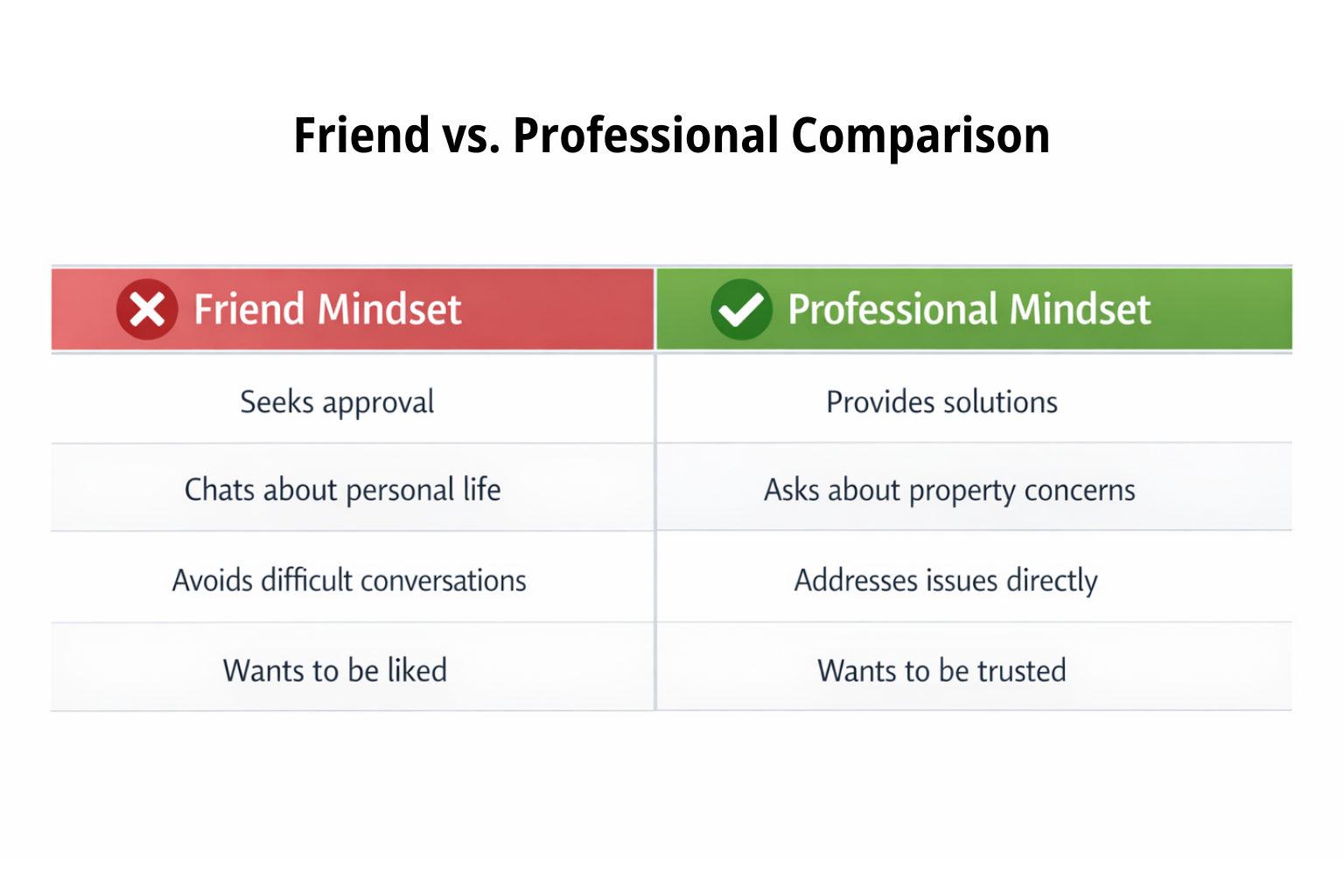
“One thing I always tell new agents is that you’re not there to make friends. Clients don’t need a friend — they need a professional. I watched a new agent once spend an entire showing chatting and trying to be liked. Afterwards, I asked him, were those clients there to be your friend, or were they there to figure out whether they should buy the house?”
The agent wanted to be liked. The clients wanted to know if the foundation had cracks. Those two things are not the same.
When you walk into a showing focused on rapport rather than results, clients notice it. They sense the difference between someone who wants their approval and someone who wants their business handled correctly. Competence builds trust faster than charisma ever will.
How to become a successful real estate agent starts with this mindset shift. You're not auditioning for friendship. You're demonstrating capability. The friendship can come later, after the closing, when they refer you to everyone they know because you delivered when it mattered.
BiggerPockets, a leading resource for real estate professionals, frequently discusses how building these relationships sets top performers apart from those who struggle.
Friend vs. Professional Comparison
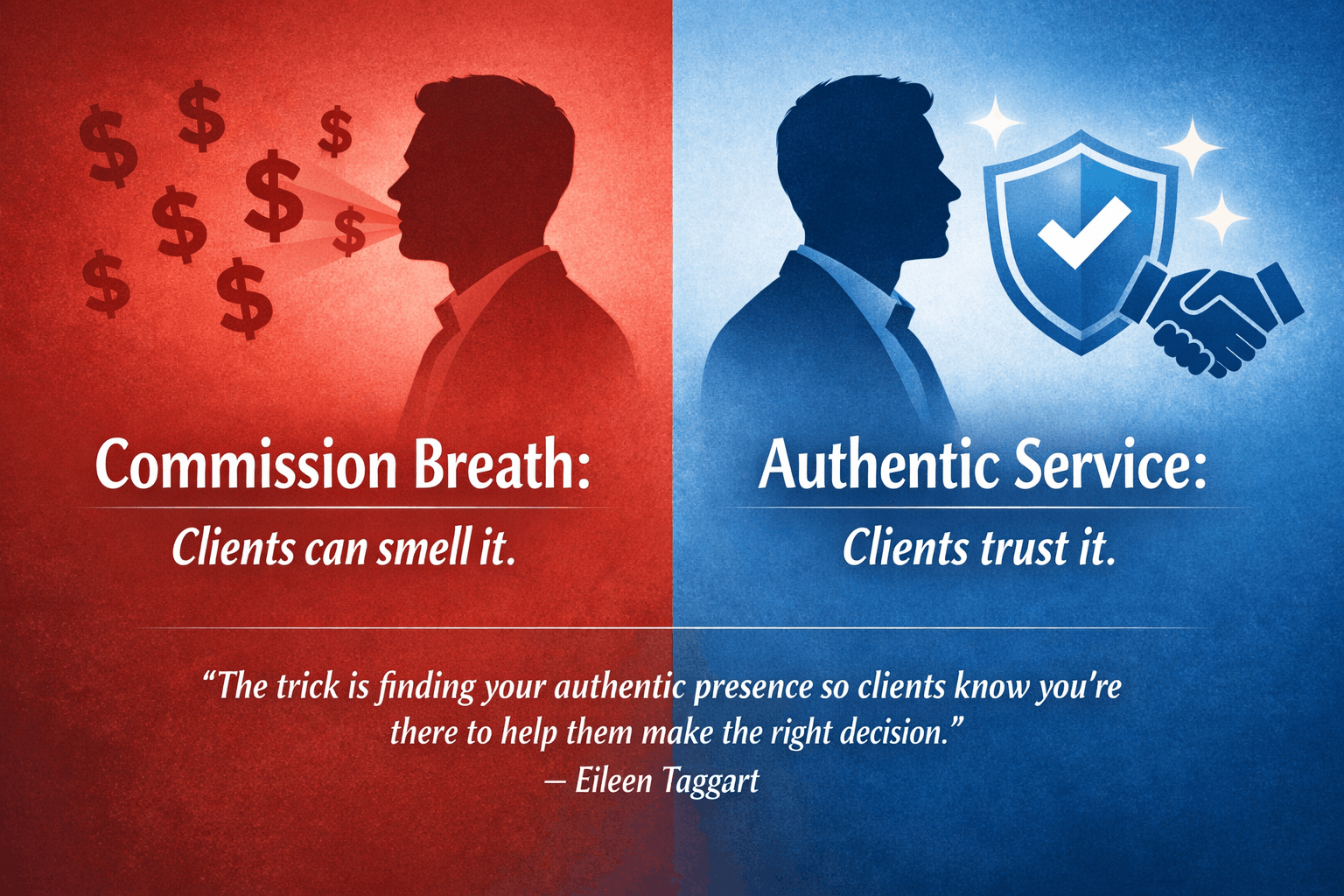
Commission Breath and Authenticity
Every agent knows the stereotype. The salesperson who smells like commission. The one whose questions all circle back to the close.
“We’re all selling, whether we admit it or not. But when someone is focused solely on commission, it shows immediately. That’s what we call commission breath. The trick is finding your authentic presence so clients know you’re there to help them make the right decision, not just close a deal.”
Eileen highlights an essential point here. Authenticity isn't about pretending you're not selling. You are selling. Everyone sells. Authenticity is about aligning your selling with actual service.
Every agent needs to find their authentic presence to avoid coming off as desperate. That takes time and self-awareness. You try things, you fail, and you learn what works for you personally. For agents who want to build lasting careers rather than chase quick commissions, understanding how top agents build real estate brands that attract clients authentically can make all the difference.
Commission Breath Visual Definition
Why Failure Is Part of Becoming a Great Agent
Nobody talks about this enough. We publish the wins. We hide the losses. But the losses are where the learning happens.
“Everybody sucks at first. You don’t even know what you don’t know yet. Most agents fail because they expect to be great right away, but this business takes time. You fail, you learn, and you slowly build the confidence that comes from experience.”
Read that again. Everybody sucks at first. Everybody.
You can see this approach in action in Eileen's comprehensive Flagstaff neighborhood guides, which demonstrate the kind of local expertise that sets top producers apart from struggling agents.
The agents who survive aren't the ones who never failed. They're the ones who failed forward. They made mistakes, learned from them, and didn't repeat the same mistake. They built confidence the hard way — through repetition, correction, and consistent follow-through.
According to research from the Real Estate Business Institute, the agents who survive past the five-year mark share one characteristic: they treat failure as data, not identity.
For more perspective on building resilience in this business, check out this real estate agent burnout from our blog.
First-Year Agent Reality Chart
The second piece of preparation Eileen emphasized is learning the contract inside and out. Many agents have only a vague understanding of what the purchase agreement actually says. But that contract governs everything we do. It never changes. We are not like lawyers constantly adapting to new legislation. The contract is our foundation, and mastering it creates client confidence that buyers and sellers can feel.
For agents seeking to improve their skills systematically, NAR's education resources offer training programs that can accelerate their learning curve.
The Two Skills Every New Real Estate Agent Must Master
If you're looking for practical takeaways, this is it. Eileen names two specific skills that separate prepared agents from the rest.
“If you want confidence, drive neighborhoods. Learn every area you plan to serve. Look at the homes, pull them up on the MLS, understand the pricing, the HOAs, and what makes each neighborhood different. Second, learn the contract. The contract defines how we serve our clients.”
Drive neighborhoods. Don't scroll through them on your phone. Drive them. Walk them. Know which streets have the best access, which HOAs are nightmares, and which pockets appreciate faster than others. That knowledge becomes confidence when a client asks a question you can answer from experience rather than guesswork.
Learn the contract. The document hasn't changed much. There's no excuse for not knowing it cold. Every provision, every contingency, every deadline. When you know the contract, you know exactly how to protect your clients. That's not just competence. That's peace of mind for everyone involved.
If you're preparing to serve buyers in Flagstaff, visit Eileen's buyer resources page to see how deep market knowledge translates into client service. If you work with investment clients, learning how our team approaches investor-friendly real estate strategies can help you understand what separates transactional agents from trusted advisors.
Humor and Stress Relief in a High-Pressure Business
Real estate will break you if you take it all too seriously. The deals that fall apart. The clients who change their minds. The inspections that reveal horrors.
“Real estate is incredibly stressful. People behave badly sometimes, and you can’t always say what you’re thinking. You need people you can laugh with, and you have to be able to laugh at yourself. If you can’t find humor in this job, the stress will absolutely eat you alive.”
Eileen speaks from nearly two decades of experience. She's seen the worst of what this business can throw at an agent. She's also learned that perspective is a survival mechanism.
This aligns with findings from the American Psychological Association about humor as a workplace coping strategy. Laughter doesn't solve problems, but it changes how you carry them. And in a business where you're managing other people's stress while managing your own, carrying problems well matters.
The Real Secret to Long-Term Success in Real Estate
We've covered a lot of ground. The misconceptions. The skills. The mindset shifts. But if Eileen had to boil it down to one thing, here it is.
“You can’t manufacture drive — you either have it or you don’t. If you’re driven, then the next step is perseverance. Do something positive every single day. Stay consistent, keep putting positive energy into your business and into the world, and over time it comes back to you.”
Drive isn't teachable. You either want this badly enough to do what it takes, or you don't. But if you have the drive, the path forward is simple. Not easy. Simple.
Do something positive every day. Make the call. Send the email. Learn the neighborhood. Study the contract. Answer your phone. Show up consistently, and let time do what time does.
Check out more insights from Monte Reyment on building a real estate practice that lasts beyond the first transaction. If you're in Flagstaff or considering the mountain communities, explore Eileen's local expertise to see what deep market knowledge looks like in practice.
Want to hear the full conversation with Eileen Taggart? We covered even more ground on building a sustainable real estate career, avoiding common pitfalls, and developing the mindset that separates top producers from struggling agents. Listen to the complete episode for all the insights.
Frequently Asked Questions
Who is Eileen Taggart?
Eileen Taggart is a REALTOR® with RE/MAX Fine Properties and the lead agent of The Taggart Team in Flagstaff, Arizona. She has more than 18 years of experience representing buyers and sellers across primary, second-home, and luxury properties.
Why do many real estate agents fail?
Many agents enter the business with unrealistic expectations and underestimate the amount of work required to build a real estate business, including marketing, networking, and developing professional expertise.
What is "commission breath" in real estate?
Commission breath refers to an agent appearing more focused on earning a commission than on serving the client's best interests, which can quickly erode trust.
What advice does Eileen Taggart give to new agents?
Eileen recommends mastering local neighborhoods, learning contracts thoroughly, building client trust, and committing to consistent daily action to grow a successful real estate career.
What Separates Successful Real Estate Agents from Those Who Fail
Real estate success rewards agents who treat it like a business, invest in their knowledge, build genuine relationships, and show up consistently day after day. It punishes those who confuse enthusiasm for expertise and expect success to come easily.
If you find yourself struggling, take a hard look at how you are spending your time. Are you driving neighborhoods and learning your market? Are you studying your contracts? Are you building a vendor network of trusted partners? Are you asking questions when you do not know something? Are you maintaining your sense of humor through the difficult moments?
Success in this industry is not about luck. It is about preparation meeting opportunity, over and over again.
For more insights on building a successful real estate career, explore additional episodes of the Why Do I Suck As A Real Estate Agent podcast. You can also learn more about Eileen Taggart's approach to serving Flagstaff buyers and sellers through her seller resources and market expertise.
Share Your Story on Why Do I Suck As A Real Estate Agent
Are you a real estate professional who has learned hard lessons, overcome struggles, or discovered what it truly takes to build a thriving career? We want to hear from you. Apply to be a guest on the podcast and share the insights that could help other agents stop spinning their wheels and start taking action.
*This podcast episode was produced through Icons of Real Estate, a podcast network dedicated to sharing insights from top performers across the real estate industry.
